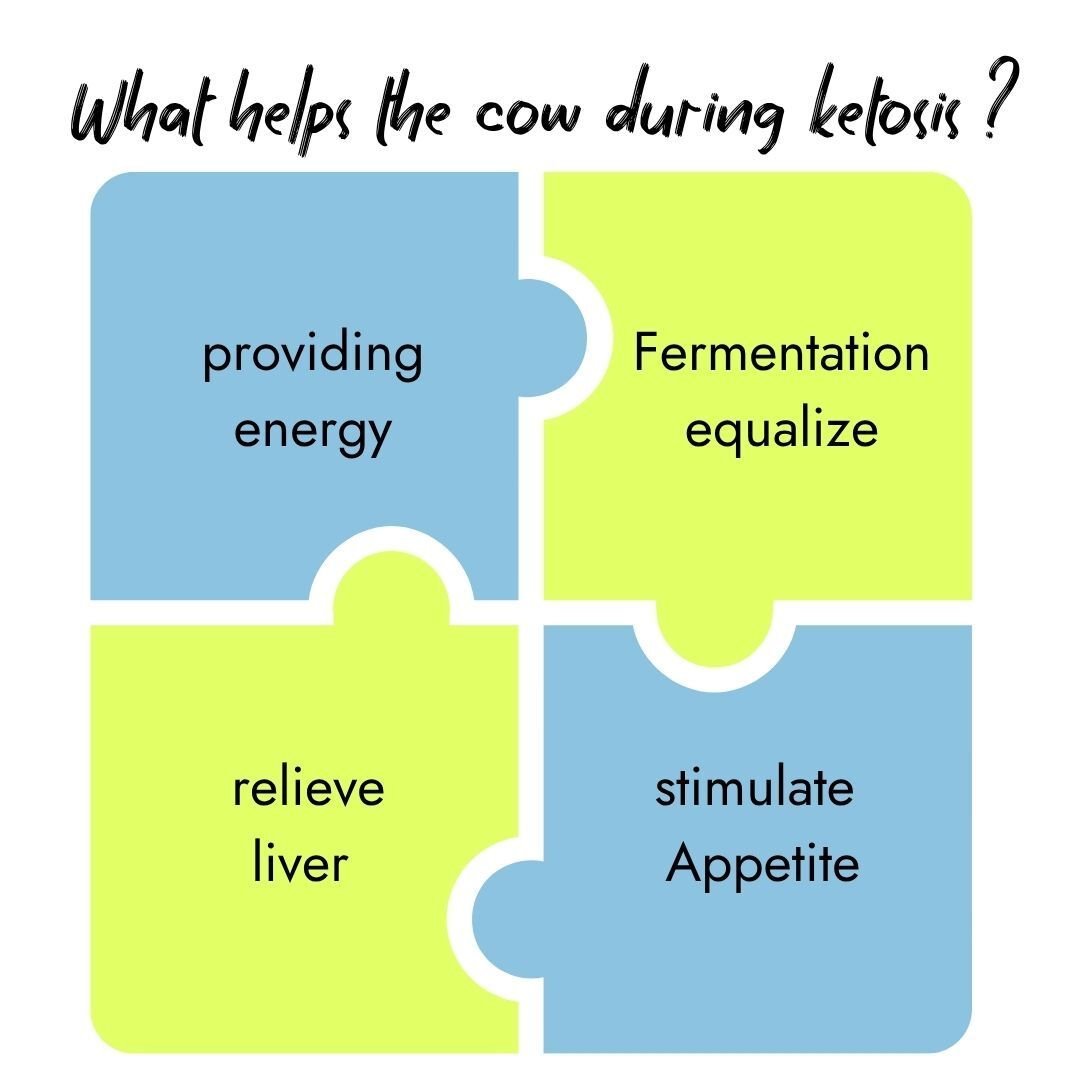
 Propionate fills the gap in the overloaded hepatic metabolism, allowing the liver to once again provide sufficient energy to support the cow and milk production.
Without sufficient propionate, stored fat is converted into ketone bodies, which inhibit feed intake. With propionate, the liver can fully utilise fat-derived energy, thereby alleviating the negative energy balance.
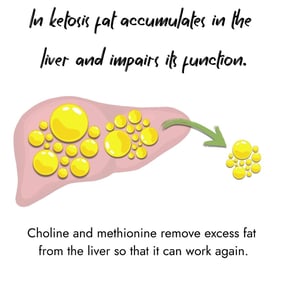 If the fat cannot be metabolised in the liver, it accumulates in the liver cells. This impairs liver function.
Methionine and choline help remove excess fat from liver cells into the bloodstream. This allows the liver to carry out the various biochemical processes efficiently again.
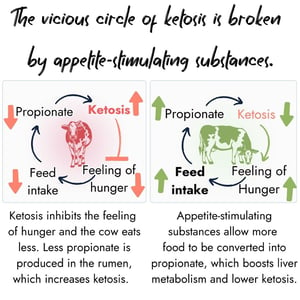 The key factor is rapid food intake
The breakdown of ketone bodies increases hunger. In addition, the phytogenic active ingredients have an appetising effect. By increasing feed intake, the cow can meet its energy requirements again.
As soon as liver function is restored, excess ketone bodies that blocked the feeling of hunger can be broken down and the cow starts to eat again.
 Special live yeasts promote propionate formation
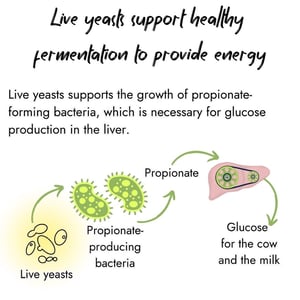
Special live yeasts promote the growth of propionate-forming microorganisms.
Live yeasts promote the growth of propionate-forming bacteria, thereby producing propionate from the fibrous feed, which the liver urgently needs for energy metabolism.
 Administration is simple, mess-free and covers the energy requirements at the same time
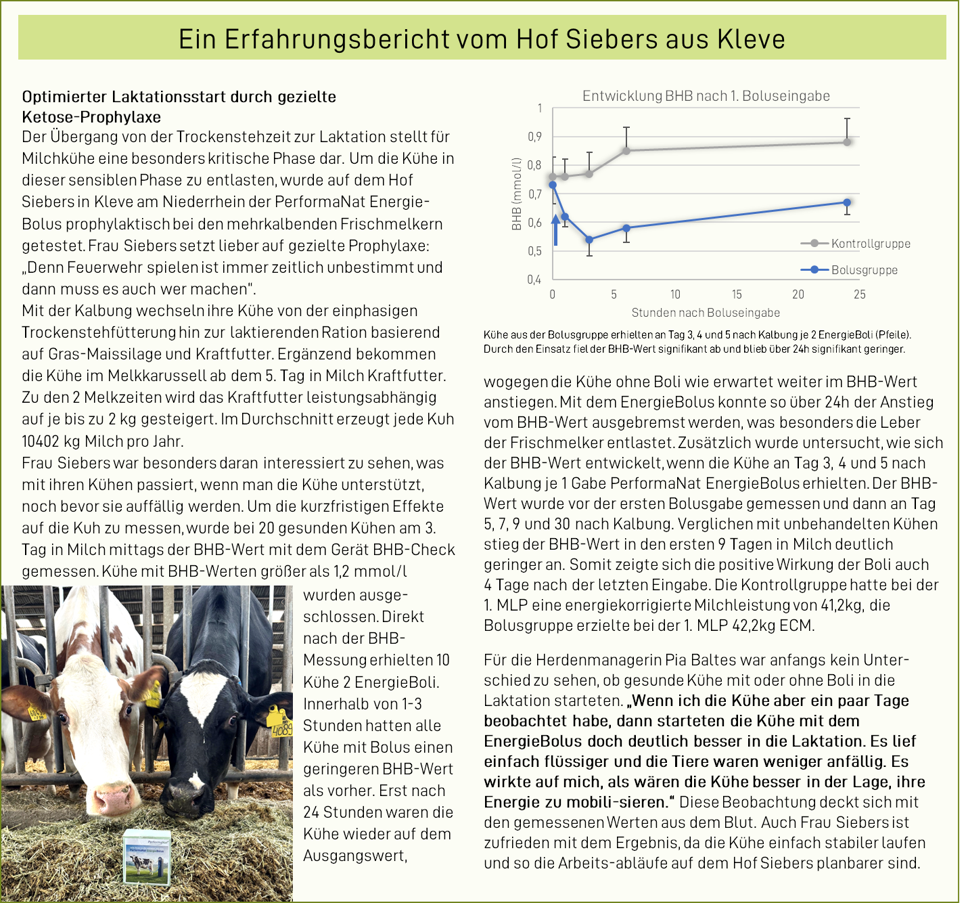
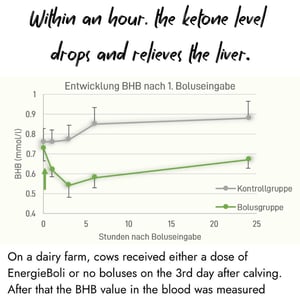
By using the boluses, the blood ketone level drops significantly in less than 1 hour, giving your cow quick help if there is a risk of ketosis.
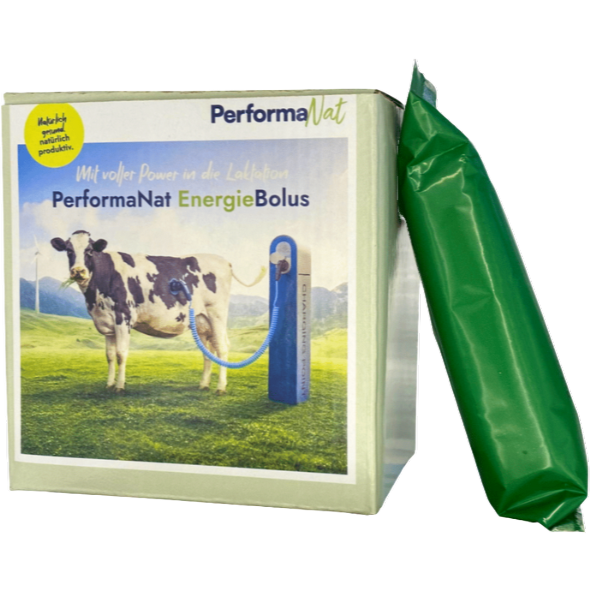
The boluses can be administered cleanly and precisely to meet individual requirements. With one dose of PerformaNat EnergieBolus, the cow receives 116 g of highly available propionate.
This amount of propionate helps break the metabolic bottleneck in the liver. The additional ingredients support recovery from ketosis.

Need a quick energy boost
Shop nowKetosis is one of the most important metabolic diseases at the beginning of lactation
Ketosis is a metabolic disease that occurs after a dairy cow has calved. The reason for this is a negative energy balance (NEB) due to, e.g. reduced feed intake or impaired liver function.
Cows with a BHB value (β-hydroxybutyrate) of over 3 mmol/l are said to have clinical ketosis. Between 1.2 and 2.9 mmol/l, we speak of subclinical ketosis, whereby the transitions are fluid and the external symptoms are only visible in severe ketosis.
Approx. 85% of subclinical ketosis occurs within the first week after calving! Especially in the early phase of lactation (up to the 6th week in milk), feed intake does not cover the energy requirements for milk production.
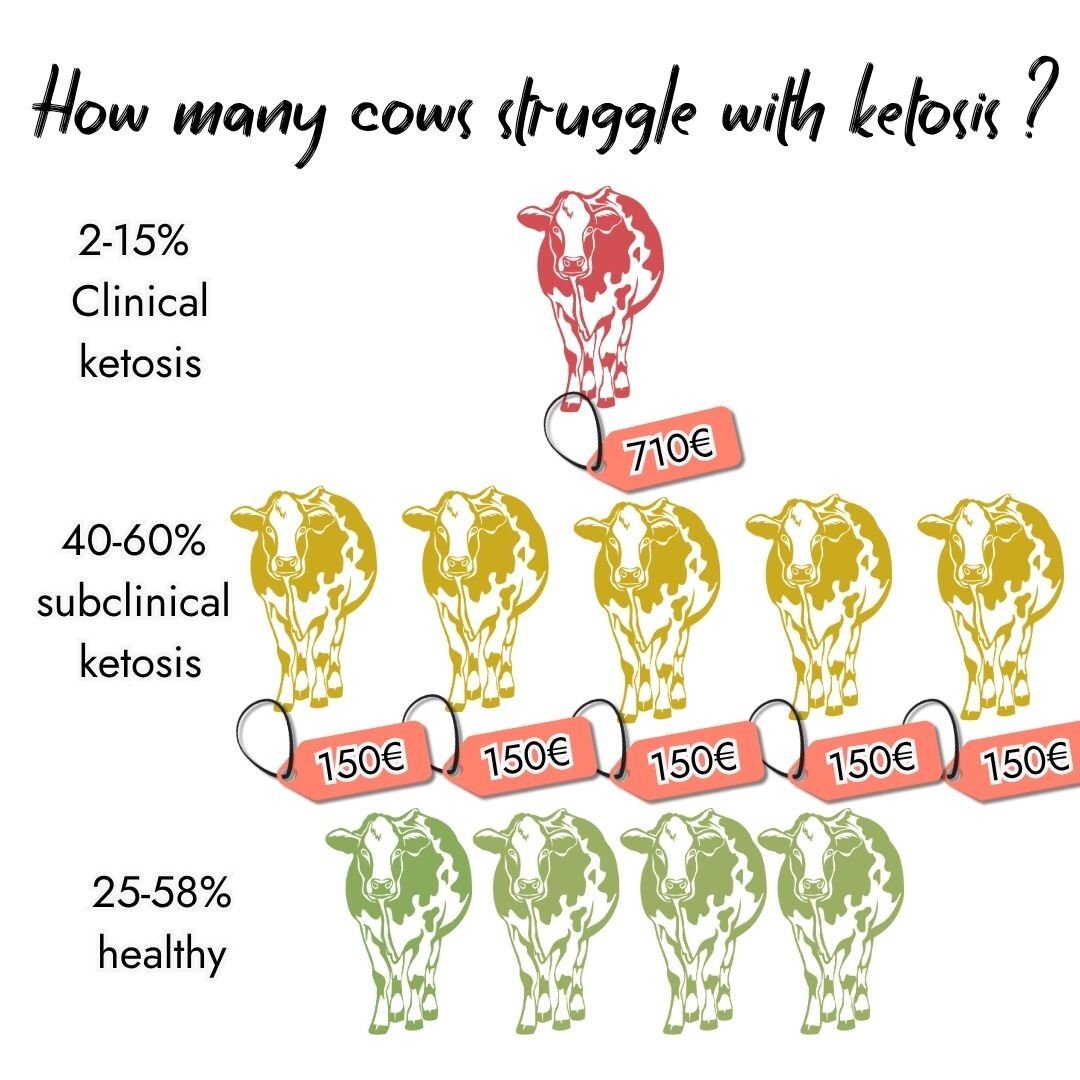
The frequency of (subclinical) ketosis varies from farm to farm, but on average, every 2nd cow is affected. Clinical ketosis affects 2-15% of the herd, subclinical ketosis 40-60%. There is significant potential to improve animal health and herd profitability, as subclinical ketosis also comes with high costs due to milk loss and health problems.
On a typical farm with 120 cows, the loss due to ketosis is approximately 13,260 € (5% clinically and 50% subclinically ill).
When the energy metabolism comes to an end, support is urgently needed
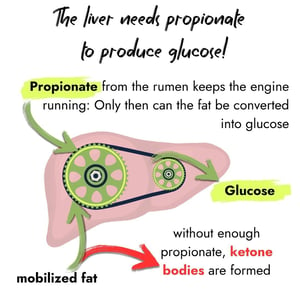
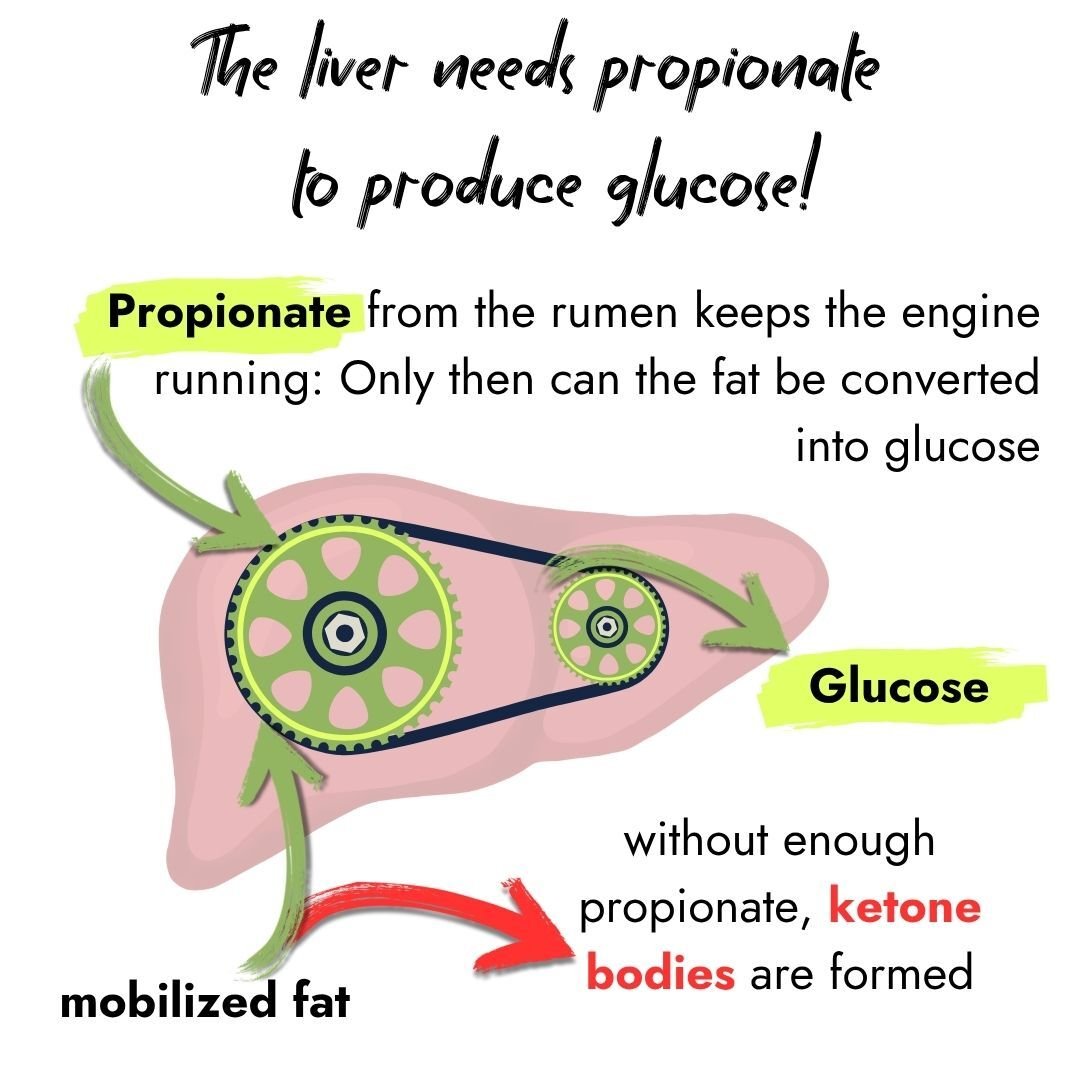
A temporary negative energy balance is physiological around calving. To ensure milk production despite this, the cow mobilises her energy reserves, such as body fat. This fat is converted into glucose in the liver. Glucose is needed for the production of lactose (milk sugar). This process in the liver depends on the availability of sufficient propionate.
Propionate plays a central role in the cow's energy metabolism. Propionate is produced during fermentation in the rumen. As described above, propionate is needed in the liver to convert fat into sugar. If there is a bottleneck, for example, insufficient propionate formation, the liver cannot convert fat into glucose and ketone body production increases. This can lead to subclinical or clinical ketosis, which can affect the cow's health and milk yield.
After calving, the cow falls into a negative energy balance, which is completely normal
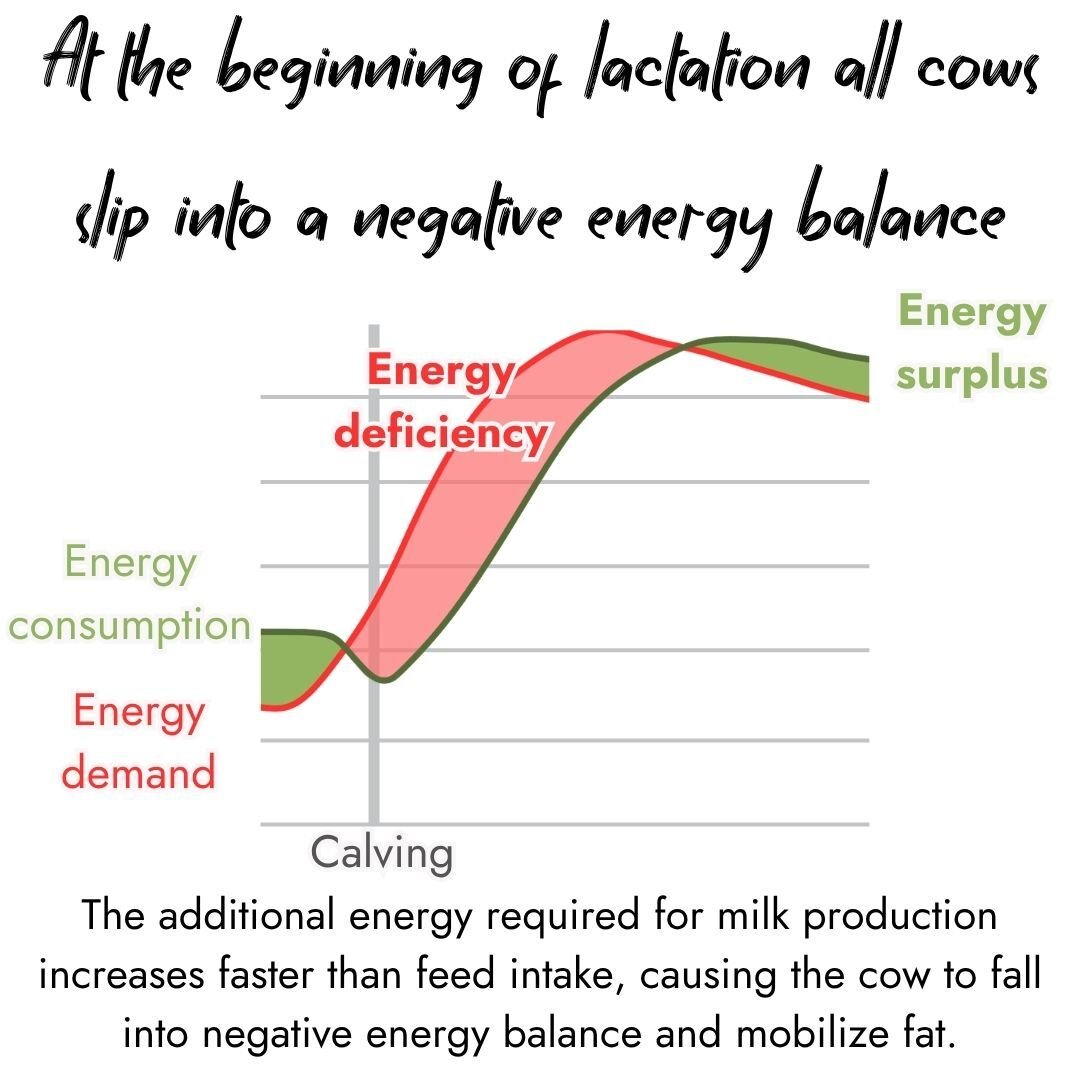
Towards the end of pregnancy, the cow has a lower energy requirement, as feed intake and metabolism are adjusted to the maintenance requirement and the requirement of the unborn calf. With the birth of the calf, the energy requirements rise quickly, as the cow needs large amounts of energy for milk production.
Immediately after giving birth, the cow's feed intake is reduced - partly because she eats less during the birth and partly because rumen activity is still restricted. Increasing milk yield requires more energy, but the cow's feed intake only adapts to this with a delay. This discrepancy leads to the cow entering a so-called negative energy balance, a state considered physiologically normal for all mammals in the early phase of milk production. To ensure milk production, the cow mobilises its energy reserves as body fat. This fat is converted into glucose in the liver, which is required for the production of lactose (milk sugar). However, if fat metabolism in the liver is not functioning properly, so-called ketone bodies are produced. Even though these serve as a source of energy for the muscles and udder, they do not directly contribute to milk production.
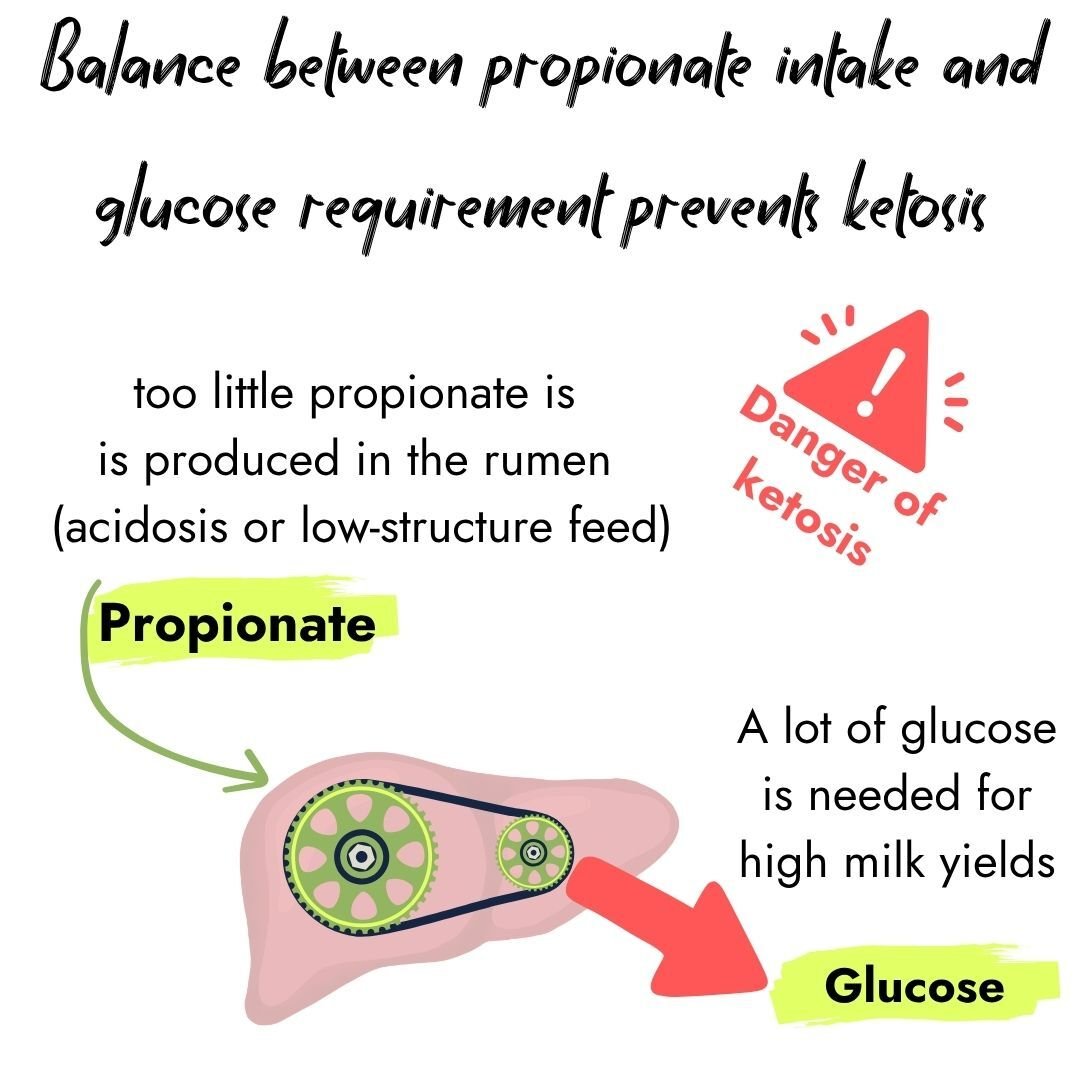
Propionate, which is produced in the rumen during fermentation, plays a central role in the cow's energy metabolism. Propionate is needed in the liver to convert fat into sugar. If there is a bottleneck in the metabolism - for example, if there is insufficient propionate formation - the production of ketone bodies increases. This can lead to subclinical or clinical ketosis, which affects the cow's health and milk yield.
Propionate is produced by microorganisms in the rumen that break down fibrous feed components. If the proportion of concentrated feed is too high or the roughage is too low in energy, the microorganisms cannot produce enough propionate.
A lack of propionate can also occur if fermentation is not running smoothly; e.g., during rumen acidosis, the propionate-producing bacteria die off under poor conditions.
Propionate is also lacking under a strong negative energy balance. In this case, the liver requires so much propionate to produce sufficient lactose that the amount from the rumen cannot meet the demand.
To determine ketosis, the ketone body content in the cow's blood, milk or urine is measured.
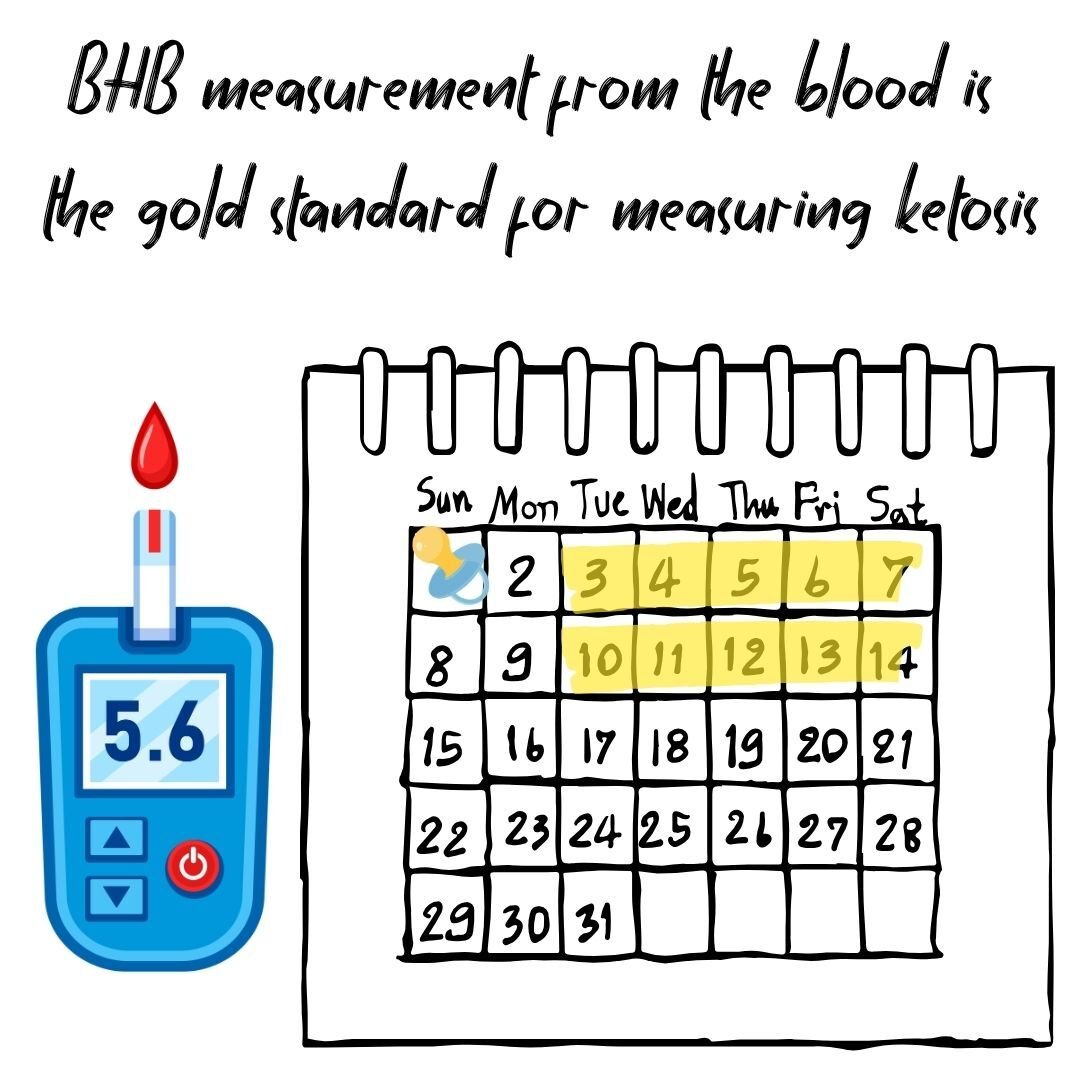
The gold standard for diagnosing ketosis is measuring blood BHB levels.
A BHB level of 1.2 mmol/L or higher means the cow has subclinical ketosis. Portable meters can measure the BHB level from a single drop of blood drawn from the tail vein. The result is available within seconds and is highly reliable. It is recommended to test all cows between 3 and 7 days after calving and again between 10 and 14 days after calving.
Milk components can also provide an indication of the risk of ketosis. Because the milk fat content increases during ketosis, a fat-to-protein ratio (FPR) of more than 1.4 may indicate ketosis.
Ketosis are very costly and time-consuming, especially due to the secondary diseases
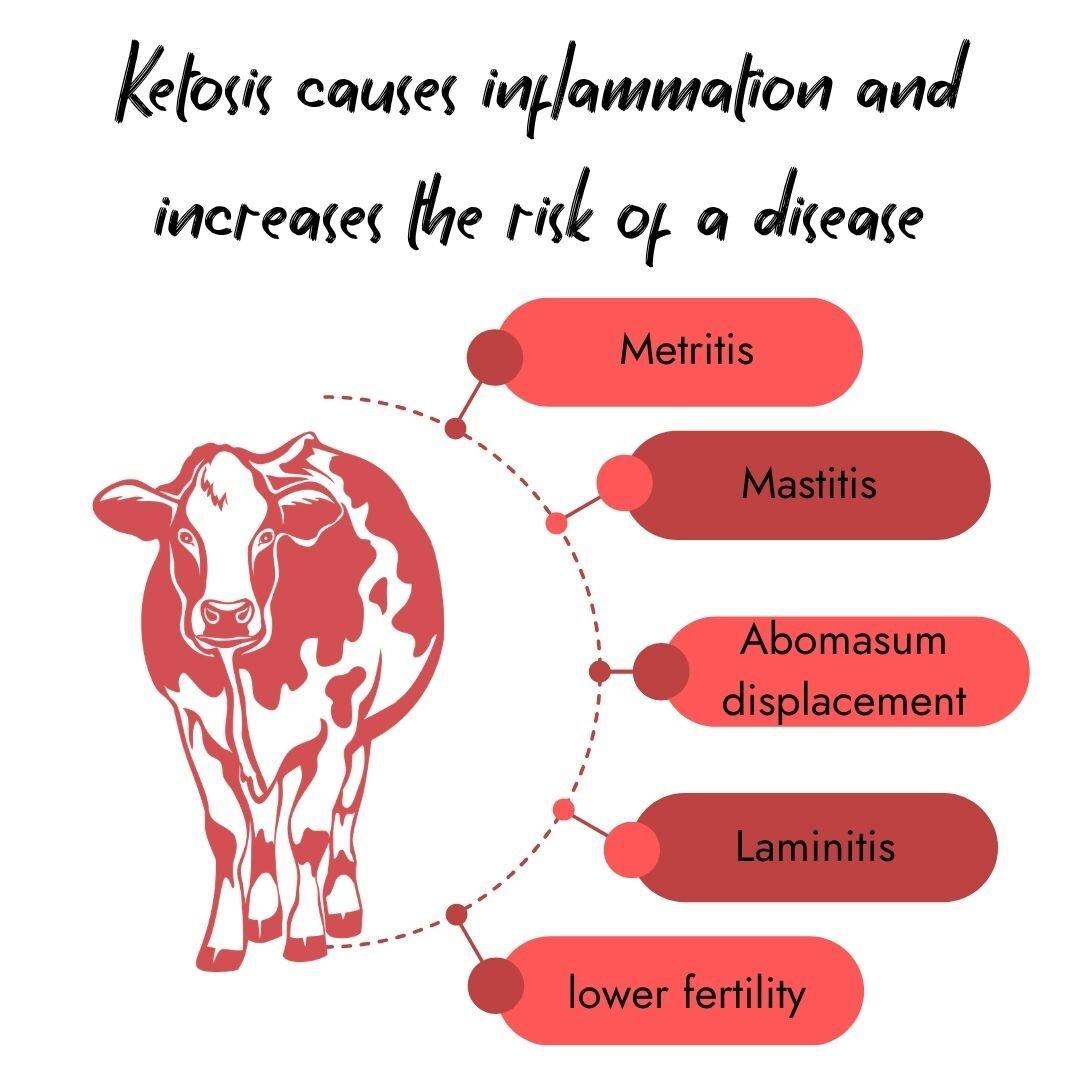
Subclinical and clinical ketosis have many adverse effects on milk yield and animal health.
Ketone bodies place stress on the liver and trigger inflammatory reactions, which consume even more energy that would otherwise be available for milk production. In the following weeks, inflammation and low energy also negatively affect egg cell development and the regeneration of the uterus. As a result, the success rate of the first insemination is four times lower. In addition, milk yield decreases by an average of 1–2 kg per day.
Cows that have been affected by (subclinical) ketosis often have long-term problems that continue into the next lactation, as the liver is permanently stressed and often fatty.
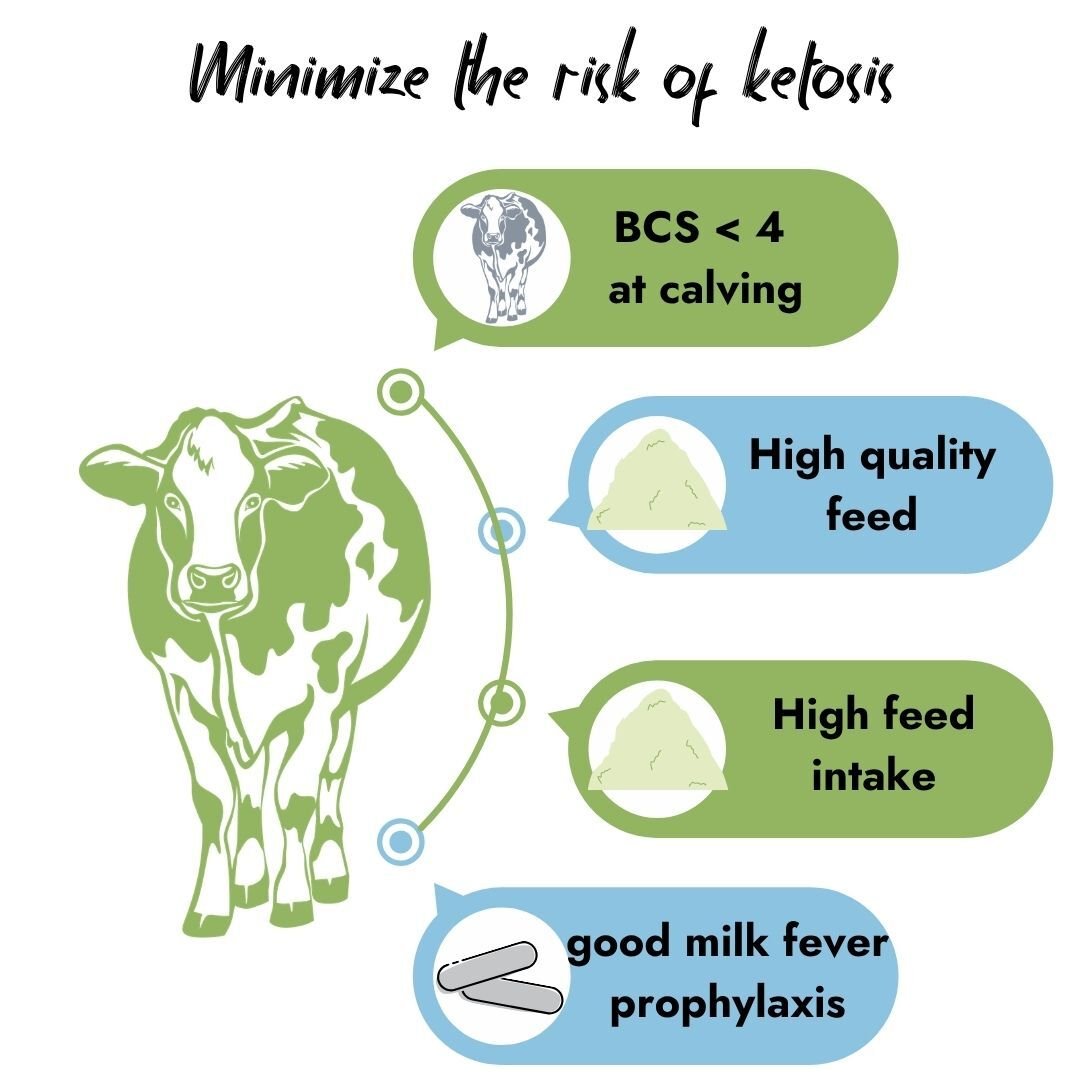
There are various ways to minimise the risk of ketosis, thereby keeping cows healthy and productive. Overconditioned cows have a particularly high risk of ketosis. The aim is to dry off cows with a BCS <4 and then maintain their body condition.
Feed quality, feed intake and feed presentation are crucial for the cow's supply, as the milk is essentially produced from the roughage. The cow needs high-quality feed. Even low-ranking or sick cows must have sufficient access to fresh feed and water.
A good milk fever prophylaxis also supports cows, as the digestive tract works less well without adequate calcium and the cow goes to the feed table less often. Adequate calcium intake is the foundation for a good start into lactation.
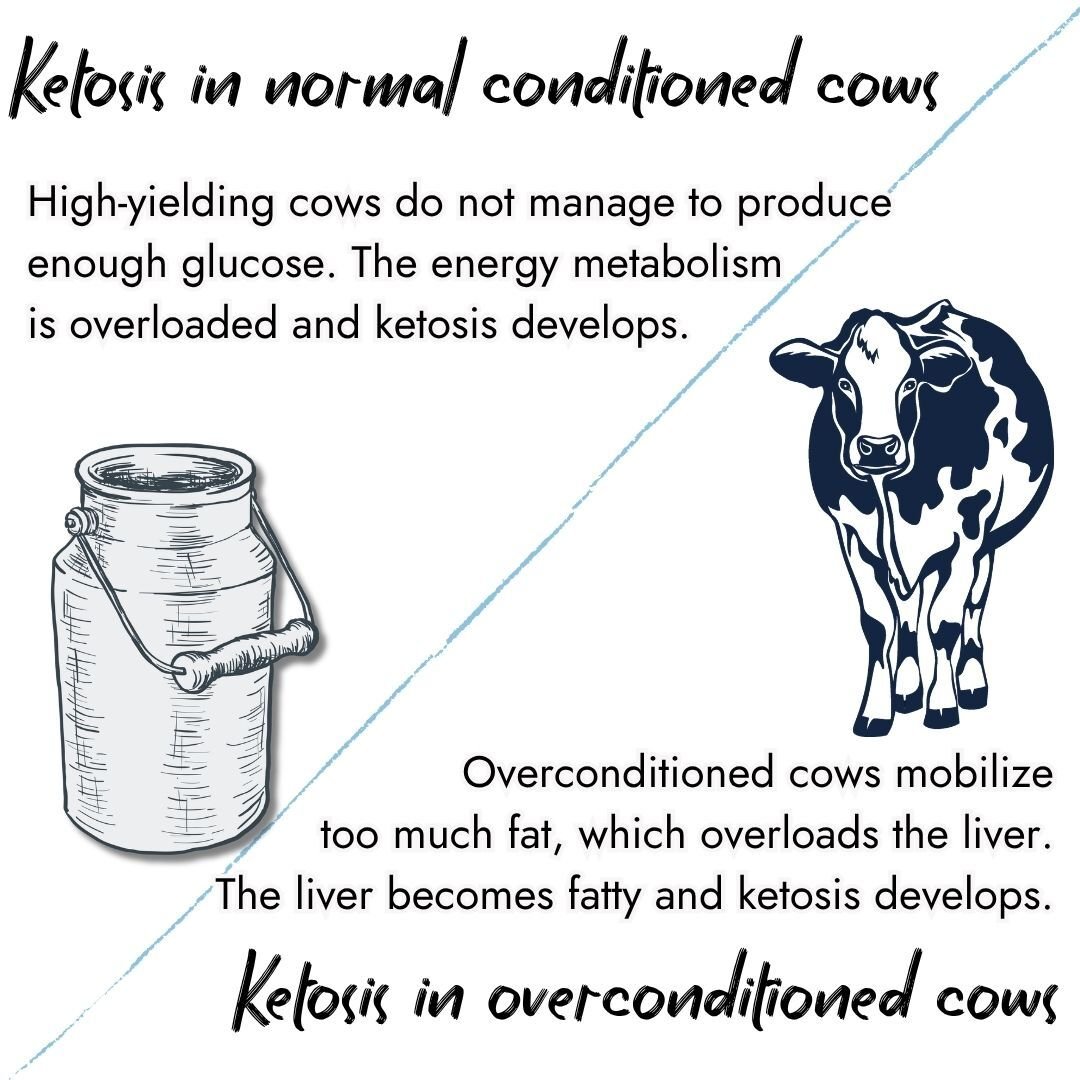
No! Even normally conditioned animals can develop ketosis!
There are different groups of cows on the farm that have a particularly high risk of developing ketosis.
On the one hand, there are the over-conditioned cows. After calving, they mobilise so much fat that the liver cannot process it at that rate. Some of the fat is stored in liver cells, which can restrict liver function, or is converted into ketone bodies. On the other hand, some cows develop a strong negative energy balance because they start with a very high milk yield or are unable to meet their energy requirements for other reasons. This also includes cows with other illnesses, as the immune system requires a lot of energy or cows that are not eating enough, for example, because they are in pain from a difficult birth.
All cows can benefit from the same key ingredients: propionate to help restore normal metabolism, appetite stimulants to encourage feed intake, and liver-supporting ingredients. With this combination, you can provide optimal support for your cows' energy metabolism.
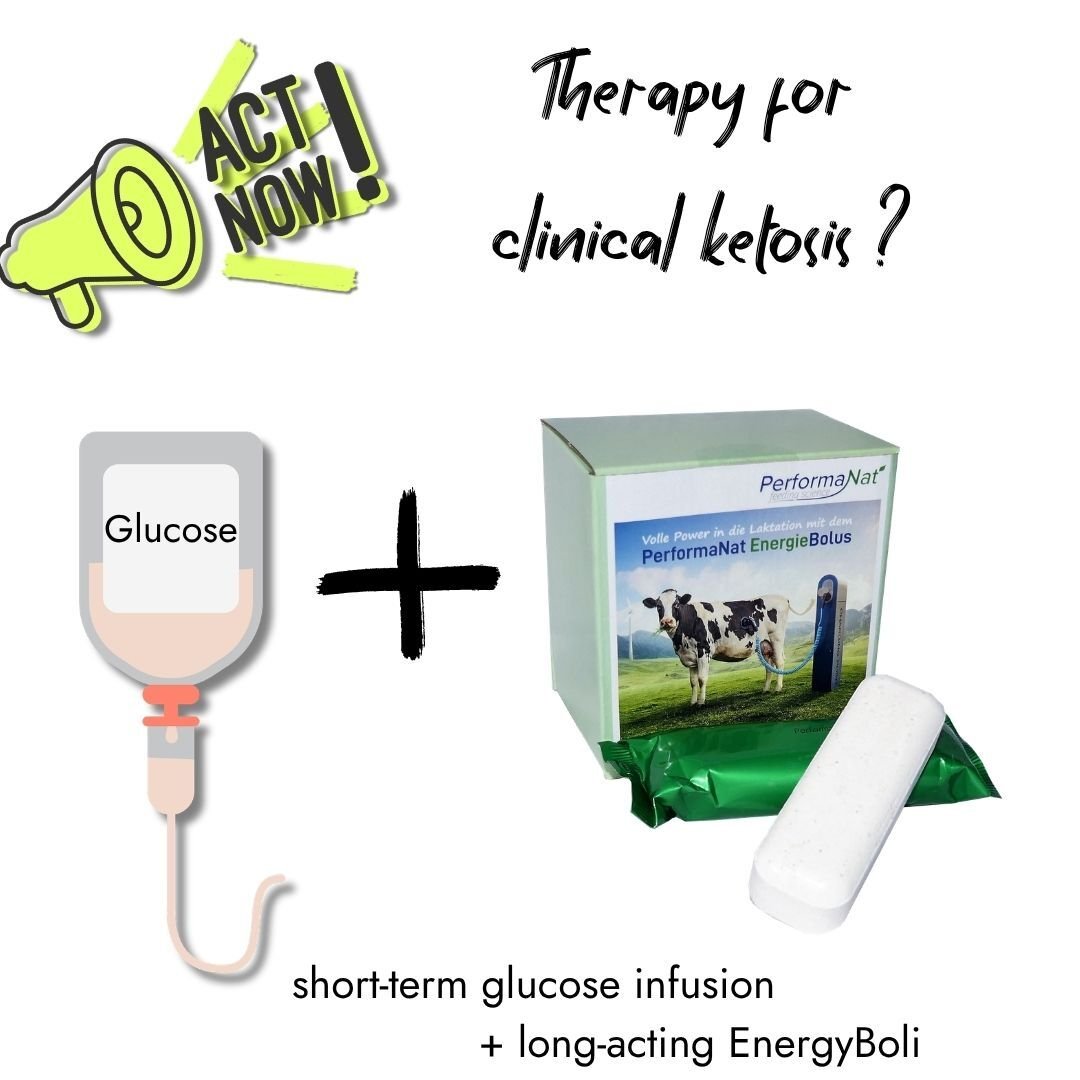
In this case, an infusion together with a bolus is the preferred treatment
Cows with clinical ketosis are given a glucose infusion. This causes blood glucose levels to rise quickly and slows the mobilisation of fat, which can break the vicious cycle of ketosis. However, because glucose is rapidly transferred into the milk, it is also recommended to give propionate orally. This helps the liver produce glucose efficiently and maintain the cow’s energy supply.
Glucose must not be fed, as large quantities of rapidly digestible sugar can trigger rumen acidosis, which also impairs the formation of the urgently needed propionate.
Ketosis causes several problems at the same time:
The cow mobilises a large amount of fat, which cannot be adequately metabolised in the liver. This is where liver-protecting substances, especially those that remove fat from the liver, provide support.
Due to high blood ketone levels, the cow eats less, leading to a lack of propionate, which is necessary for glucose formation. Feed intake can be increased by appetite-stimulating substances, thereby making more propionate available for liver metabolism.
For rapid support, propionate can be given orally to help remove the metabolic bottleneck in the liver.
Propionate formation in the rumen can be supported with live yeasts, as they improve the fermentation conditions for propionate-producing bacteria.