

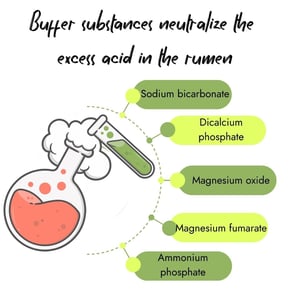
The pH level in the rumen is quickly restored to balance using specially formulated buffering agents.
Excess acid in the rumen is effectively neutralized, thereby restoring the conditions necessary for healthy fermentation in the rumen.

The toxins produced as a result of acidosis cause inflammation and put a strain on the liver. Brewer’s yeast cell walls counteract these negative effects.
Mannan-oligosaccharides (MOS) bind the toxins in the rumen, thereby reducing damage to the rumen tissue. β-glucans strengthen the immune system. Both active ingredients are present in the selected brewer’s yeast cell walls.
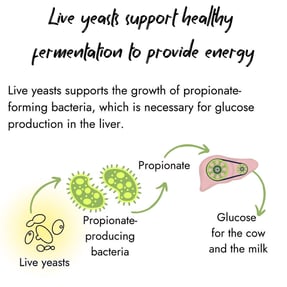
Special live yeasts promote the growth of propionate-producing microorganisms.
The acidic pH causes propionate-producing bacteria to die off. Live yeast restores the growth conditions for these bacteria, allowing sufficient energy to be extracted from the fibrous feed once again.
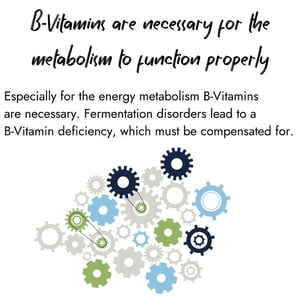
Acidosis leads to a deficiency of B-vitamins, which are essential for a healthy metabolism.
By correcting this deficiency, energy metabolism functions more efficiently and energy can once again be generated from fat reserves.

Powder or bolus
PansenFit is available as a powder for drenching, which quickly gets the rumen back on track, even when rumen motility is low. PansenFit is also available as a bolus for quick and clean administration. Both products can be combined: for example, start with the powder in cases of acute symptoms and then supplement with the bolus until normal rumen function is restored.

Seeing uneven feed intake
Check out our solutionsOne in four cows enters lactation with a fermentation disorder.
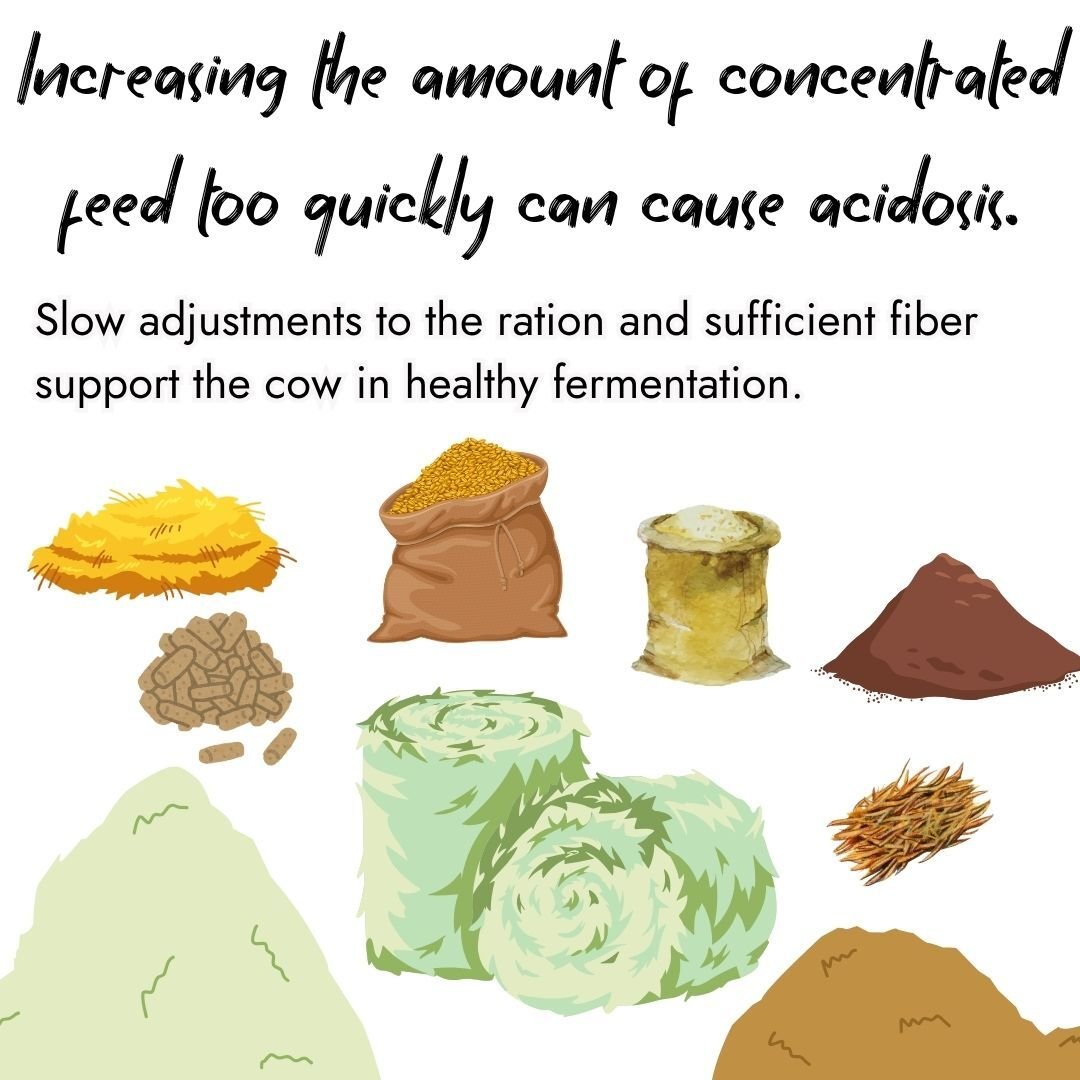
Only a portion of the milk can be produced from forage. To achieve high milk yields, cows need concentrate feed, which also consists of easily digestible carbohydrates. At the start of lactation, cows often receive more concentrate than during the dry period. Starch and sugar can be broken down very quickly by microorganisms, leading to increased acidity.
With an adequate supply of crude fiber, the cow chews frequently and buffering saliva enters the rumen—the acid load can be neutralized. In the event of a fiber deficiency or a too rapid increase in concentrate, saliva production is insufficient and the pH value in the rumen drops.
When the pH drops below 5.8, this is referred to as acidosis, as the beneficial bacteria die off, the growth of lactate-producing bacteria increases and more lactic acid is produced. Under these undesirable fermentation conditions, not enough short-chain fatty acids can be produced, which are the basis for the production of milk fat and lactose. As a result, milk production declines. In addition to production losses, the high acid load also has negative consequences for the cow’s health.
Furthermore, feed changes pose a risk of acidosis. Some cows are more sensitive to them than others and may require additional support. It is helpful to implement feed changes over several days.
Poor rumination and low rumen fill? Watch out for acidosis!
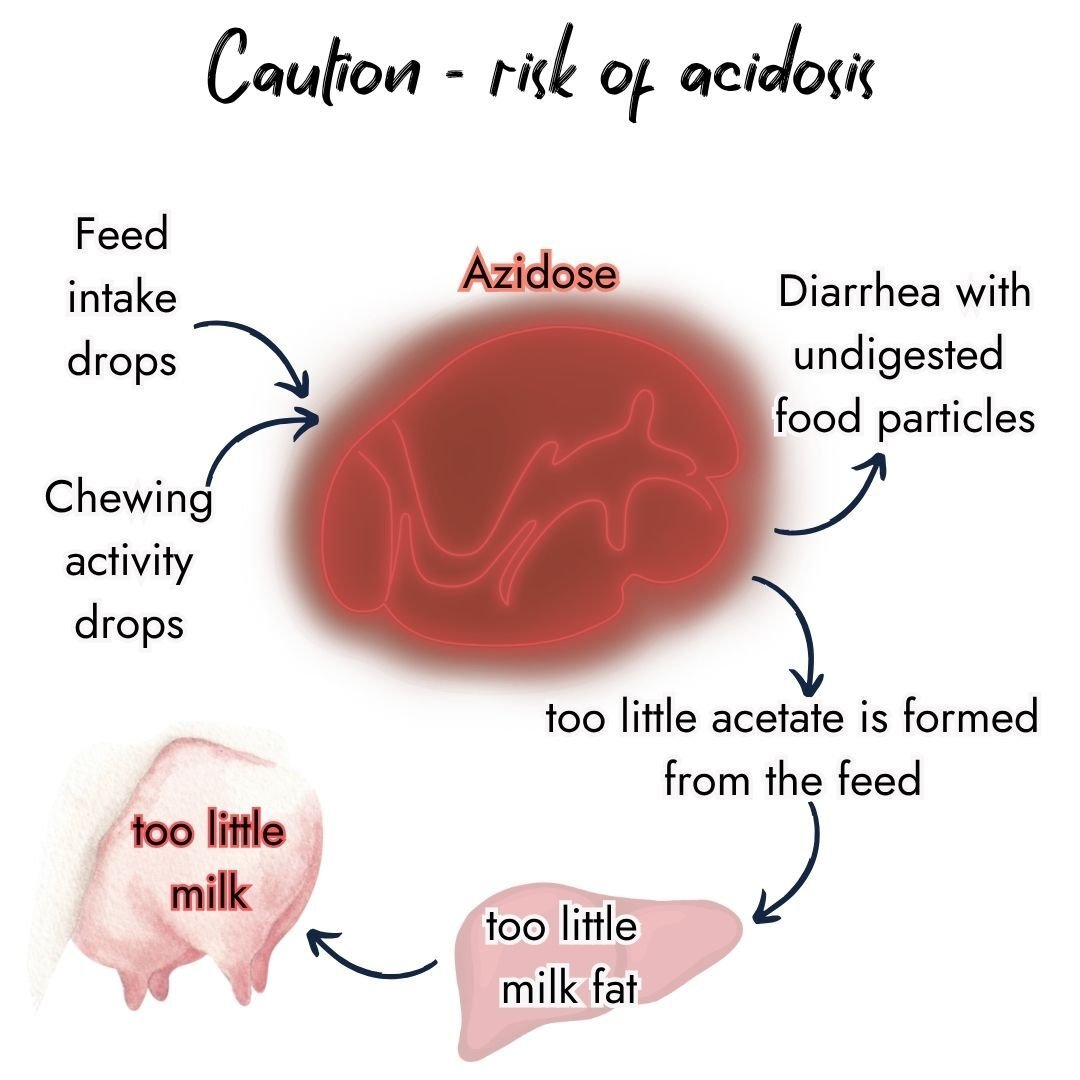
There are various signs of acidosis or fermentation disorders. Overall, digestion is not proceeding smoothly because the feed components are not providing what the cow needs. She shows reduced rumination activity because not enough fibrous feed has been consumed. The paralumbar fossa is often pronounced, as overall feed intake decreases. Since the feed is digested less efficiently, diarrhea with undigested feed particles also occurs.
Acidosis disrupts the balance of microorganisms in the rumen, resulting in reduced production of acetate and propionate. These substances are essential for the formation of milk fat and lactose. Lower acetate levels lead to a decrease in milk fat content, which in turn reduces milk production.
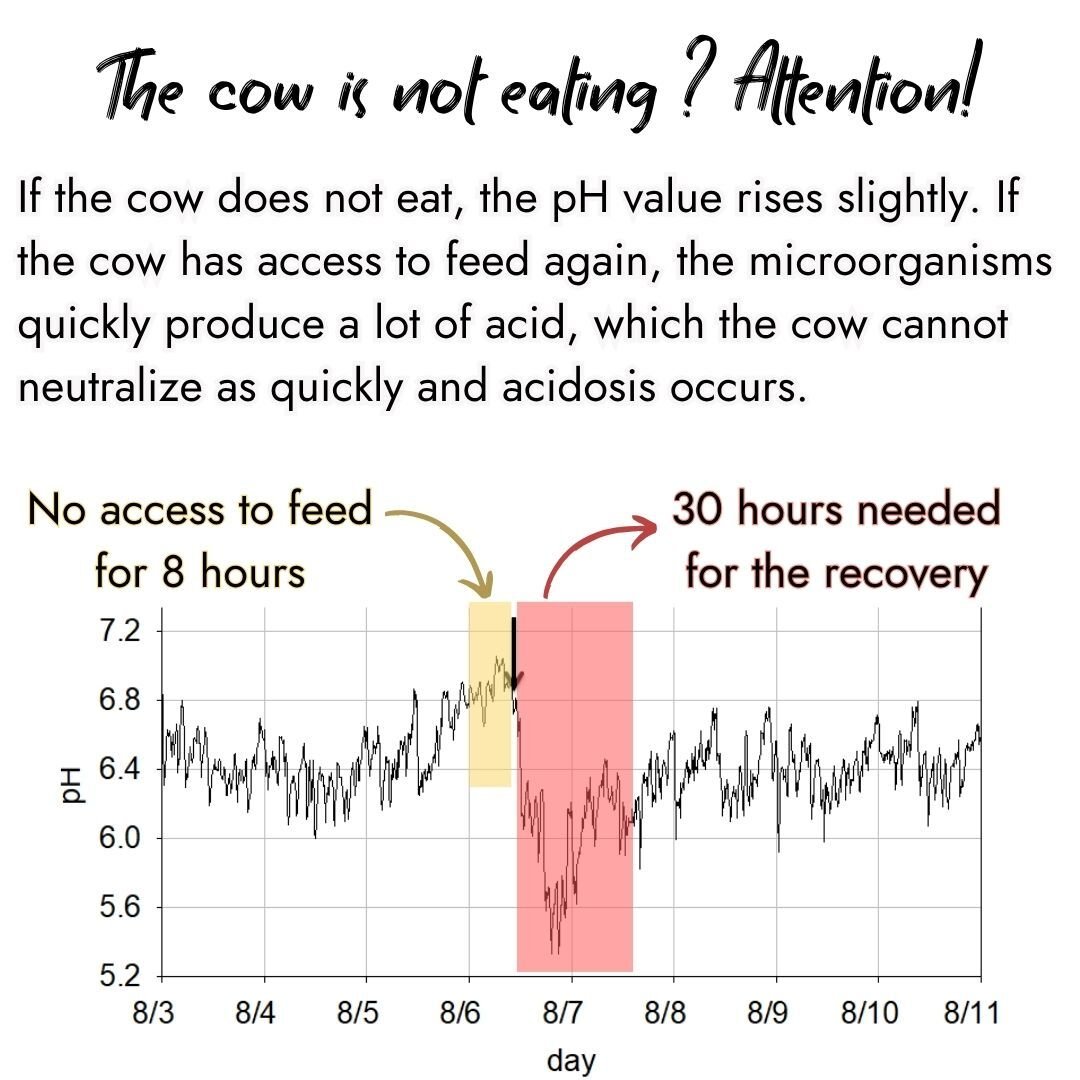
Just a few hours without feed intake can significantly disrupt the pH level and fermentation in the rumen. When the cow stops eating, the pH level rises slightly because the acids produced by fermentation are absorbed or neutralized by buffering substances in the saliva. When the cow starts eating again, the pH level drops quickly. The influx of acid cannot be compensated for by rumination and saliva production and it takes hours to restore a healthy pH level. During this time, the composition of microorganisms in the rumen is disrupted, which hinders the production of propionate (necessary for lactose) and acetate (necessary for milk fat). In addition, the rumen tissue is damaged, which impairs nutrient absorption and allows toxins to enter the bloodstream. This leads to an inflammatory response in the body, which stresses the cow and reduces her milk production.
Less milk, but is it really a big problem for the cow?
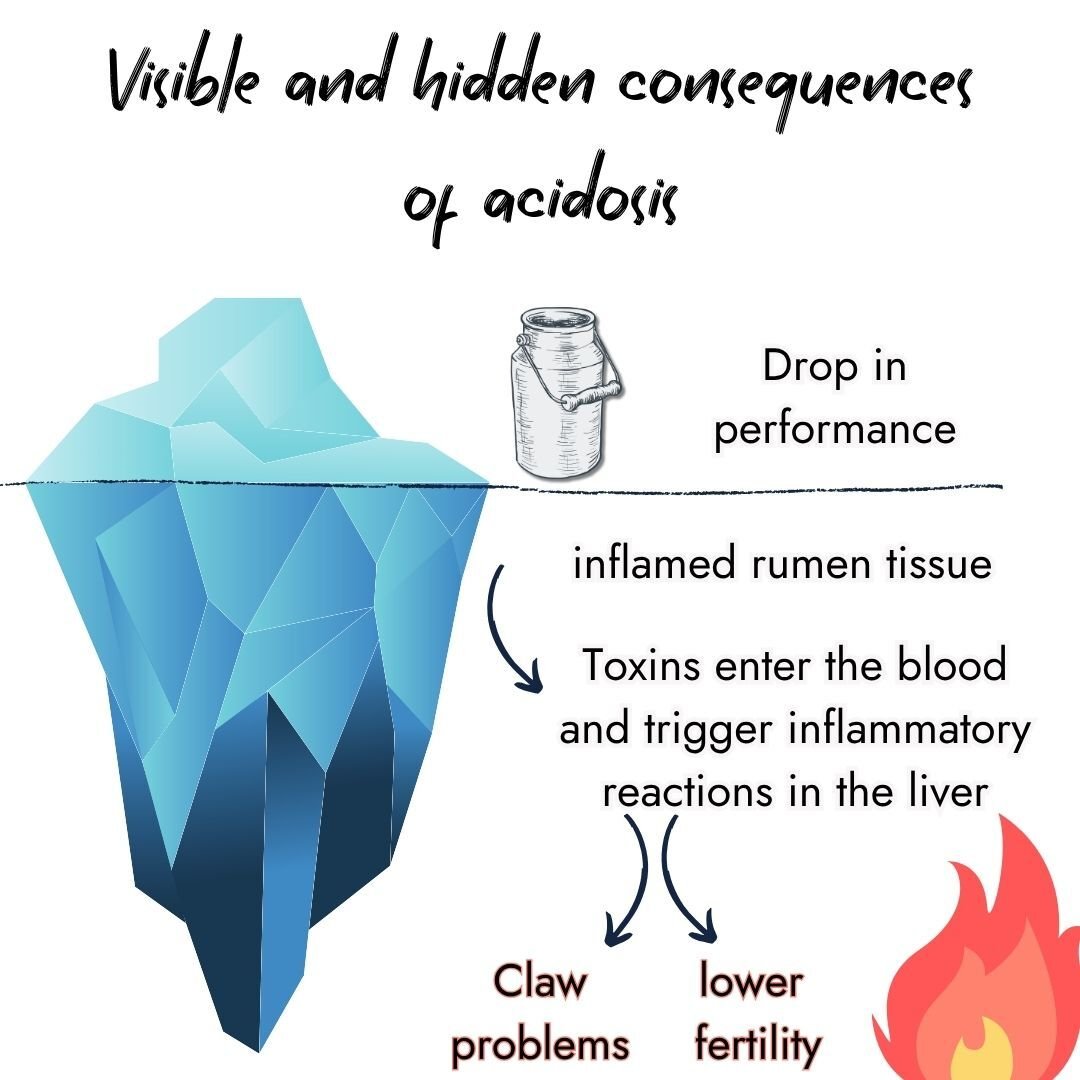
The invisible consequences of acidosis can be far more costly than the current loss of milk. Especially if the rumen remains overly acidic for an extended period, it leads to many health problems. Acidosis causes long-term damage to the rumen tissue and allows more toxins to enter the bloodstream. These toxins, in turn, put a strain on the liver and lead to systemic inflammation. This results, for example, in more frequent hoof diseases and reduced fertility. Additionally, the risk of abomasal ulcers increases, as the acid load damages the tissue of the abomasum. In severe cases, this can even lead to perforations of the stomach.
Overall, acidosis takes a toll on the cow: the inflammatory response consumes energy that the cow should actually be using for milk production. The longer the acidosis persists, the harder the cow has to struggle with the consequences and the less energy she has available for milk production and fertility.
Reduced feed intake and milk production—what’s behind it?
When milk production drops and feed intake decreases, both ketosis and acidosis can be the problem. Both metabolic disorders frequently occur in the first weeks of lactation: After calving, the cow enters a negative energy balance because the energy obtained from feed is insufficient to meet the increasing energy requirements for milk production (risk of ketosis). To counteract this, feeds containing more energy are selected. These easily digestible carbohydrates can lead to over-acidification of the rumen, i.e., acidosis.
Milk components, in particular, can provide clues as to the cause of declining milk production: in acidosis, too little acetate is produced in the rumen, resulting in an insufficient milk fat content. In ketosis, the liver is unable to produce sufficient amounts of glucose, which is why the body releases more fat as an energy source. This fat cannot be converted into glucose because the liver’s metabolism is overburdened. As a result, more fat is secreted into the milk.
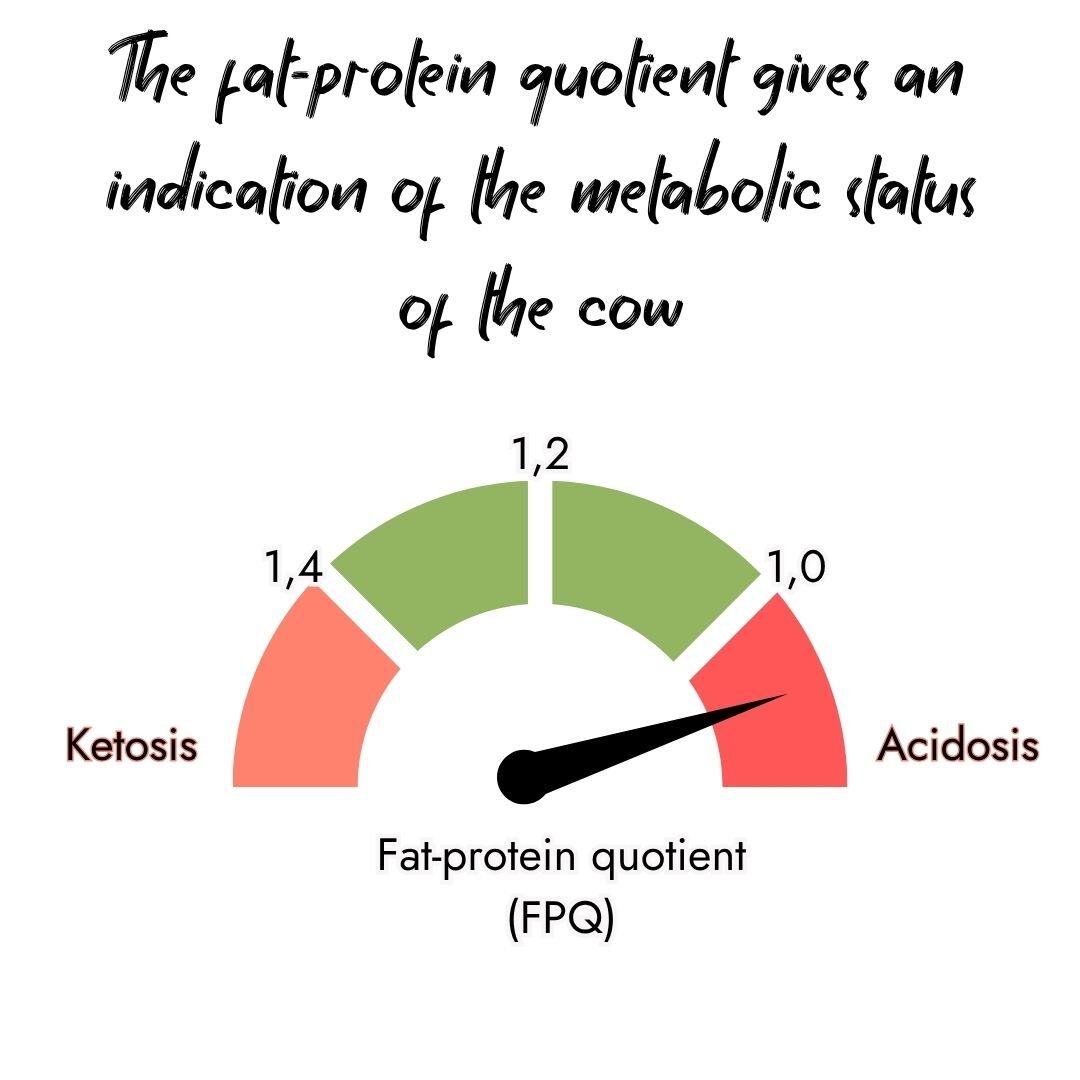
This can be measured using the fat-to-protein ratio (FPR). Values below 1 indicate a risk of acidosis, while values above 1.4 indicate a risk of ketosis (FPR 1.5 for Jersey). Since ketosis simultaneously reduces feed intake and rumination activity, acidosis can also develop secondarily. In this situation, the FPR is not meaningful.
Are you worried your cow might be suffering from acidosis? Act quickly!
The basic rule is: help your animals quickly and efficiently. When suffering from acidosis, cows need fast-acting buffering agents and support for their energy metabolism. You get both with PerformaNat PansenFit. Additionally, support your cows by adjusting their feed: provide plenty of good-quality hay and reduce the proportion of concentrate. This ensures the cow has the feed she needs for rumination and healthy fermentation. This way, you can quickly restore fermentation balance.
When addressing the root cause, it is important to determine whether only individual animals are affected or entire groups. In individual cows, health status and individual factors play the biggest role. If several cows are experiencing acidosis, the feed composition should be checked. Are the feed rations correct? Is the feed mixed properly? Could too much fiber be sorted out? Here, you can make targeted adjustments to improve the health and productivity of your herd.
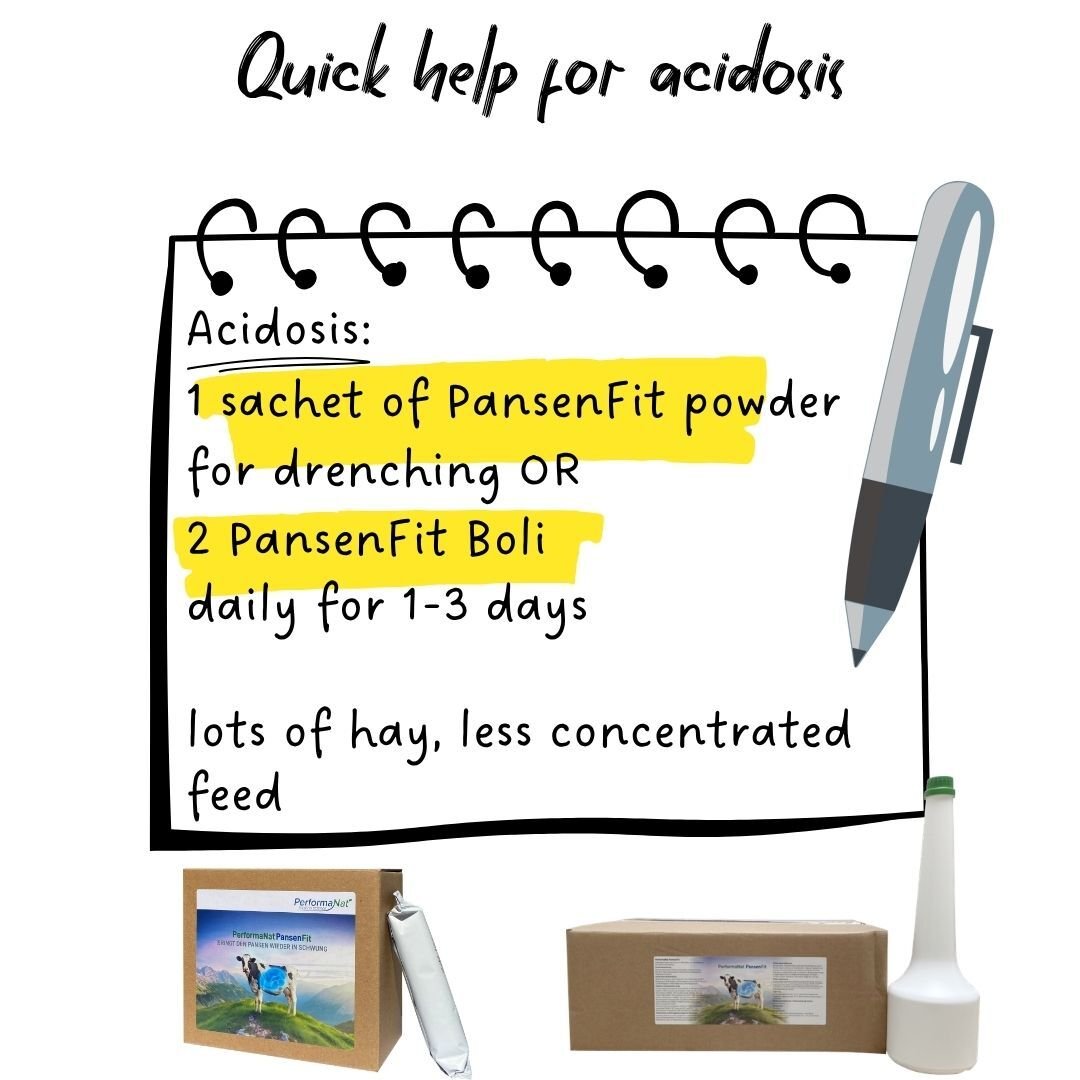
PerformaNat PansenFit is available as a powder for drenching or as a bolus.
To help you provide your cows with optimal support, we have developed PerformaNat PansenFit as both a powder and a bolus. The ingredients are formulated to combat the negative effects of acidosis on multiple levels simultaneously. Thus, with both products, your cows receive the nutrients they need to recover from acidosis. Especially in acute cases, drenching the dissolved powder with large amounts of water (up to 50 litres) can be very helpful. The extra fluid also helps flush toxins out of the body.
Based on customer requests, we have also developed a bolus from the PansenFit powder. You can administer 2 boluses cleanly and quickly by using the PerformaNat bolus applicator. This also ensures that the desired amount of ingredients actually reaches the cow's digestive tract.

Buffers alone aren't enough!
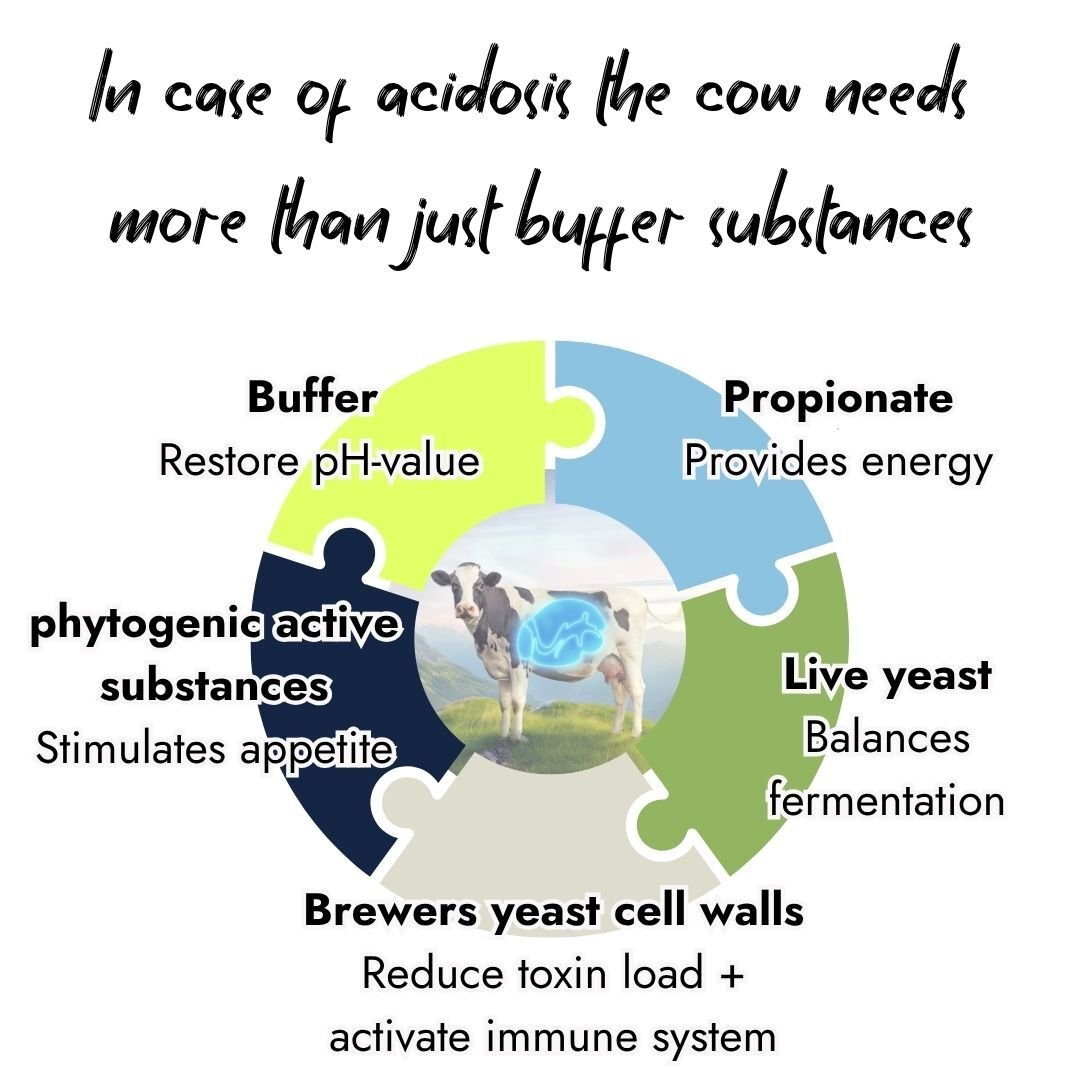
To help your cows recover quickly from acidosis, we offer optimal support with PansenFit. Buffering agents neutralize excess acid and restore the needed conditions for healthy fermentation. At the same time, specially formulated additives counteract the further negative consequences of acidosis.
To restore the balance of microorganisms, we rely on live yeasts that ensure ideal fermentation conditions. In addition, propionate provides urgently needed energy to prevent a negative energy balance. Propionate supports the liver and helps effectively to utilize body fat reserves as an energy source. Phytogenic active ingredients promote feed intake and ensure that the cow receives sufficient nutrients.
Acidosis not only damages rumen microbes but also weakens the rumen wall, allowing harmful toxins to enter the tissue and trigger inflammation. This is where brewer’s yeast cell walls come into play, as thy are binding toxins in the rumen while simultaneously activating the immune system.
Thanks to the carefully formulated composition of PansenFit, your cow is supported at every level—for a rapid recovery and stable health.